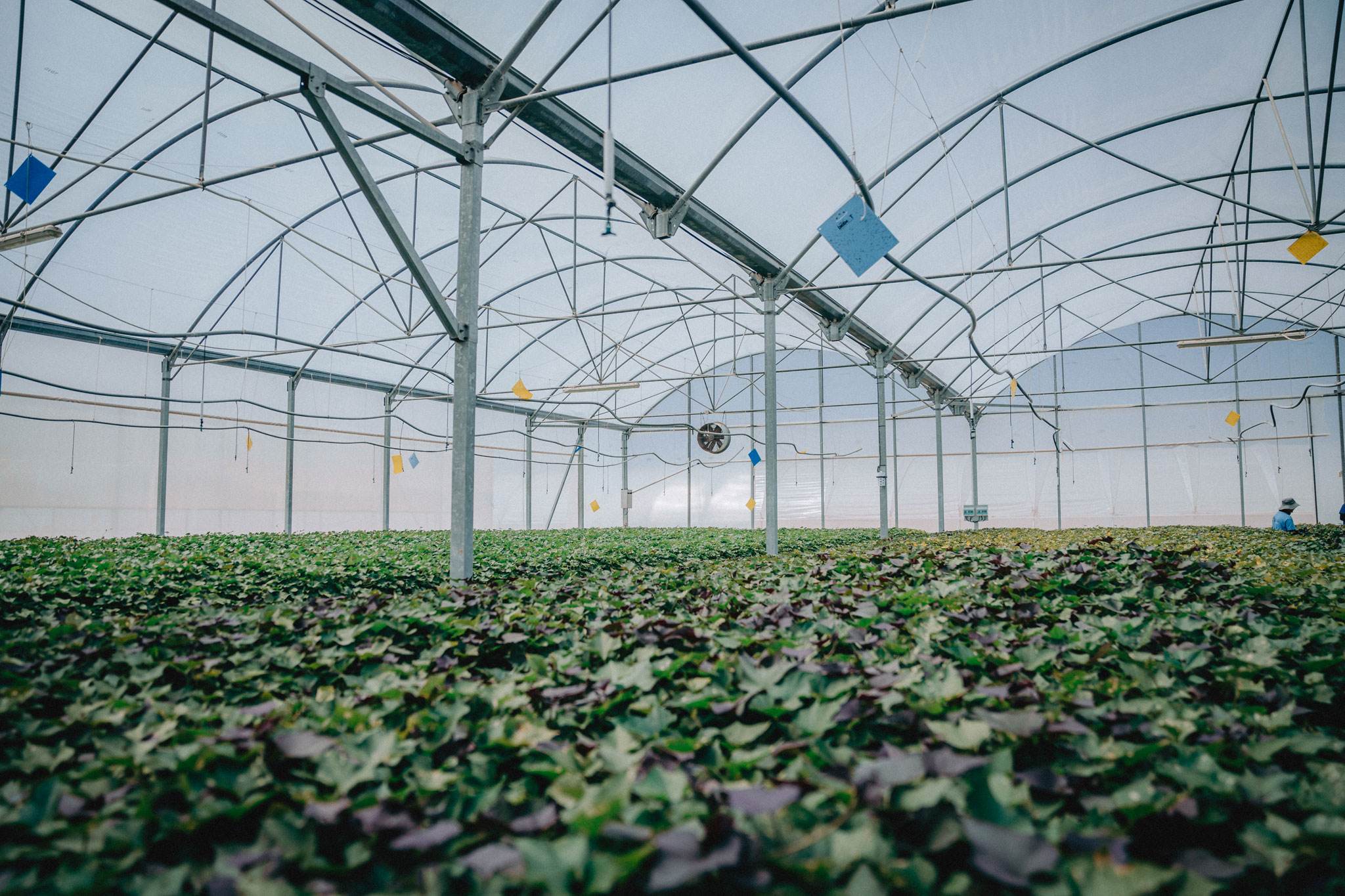
Sweet potato plant production
Sweet potato production requires care at every stage, from planting to harvesting, to ensure quality and sustainability.
How we produce our sweet potato plants
From research to production, we follow a rigorous process that ensures healthy, uniform, high-quality plants, ready to meet the demands of professional production.
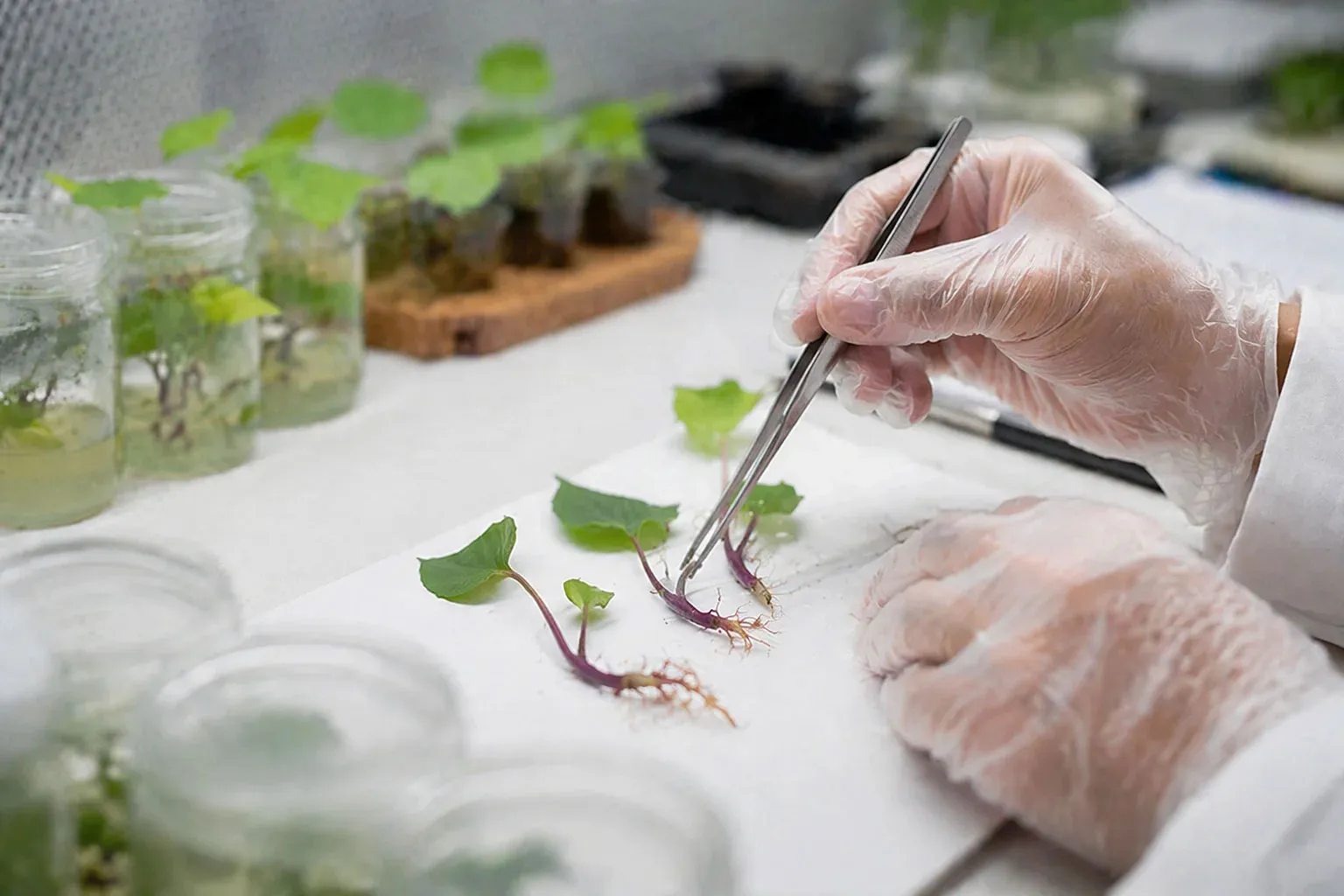
We continuously invest in research to develop and evaluate varieties with high agronomic and commercial potential.
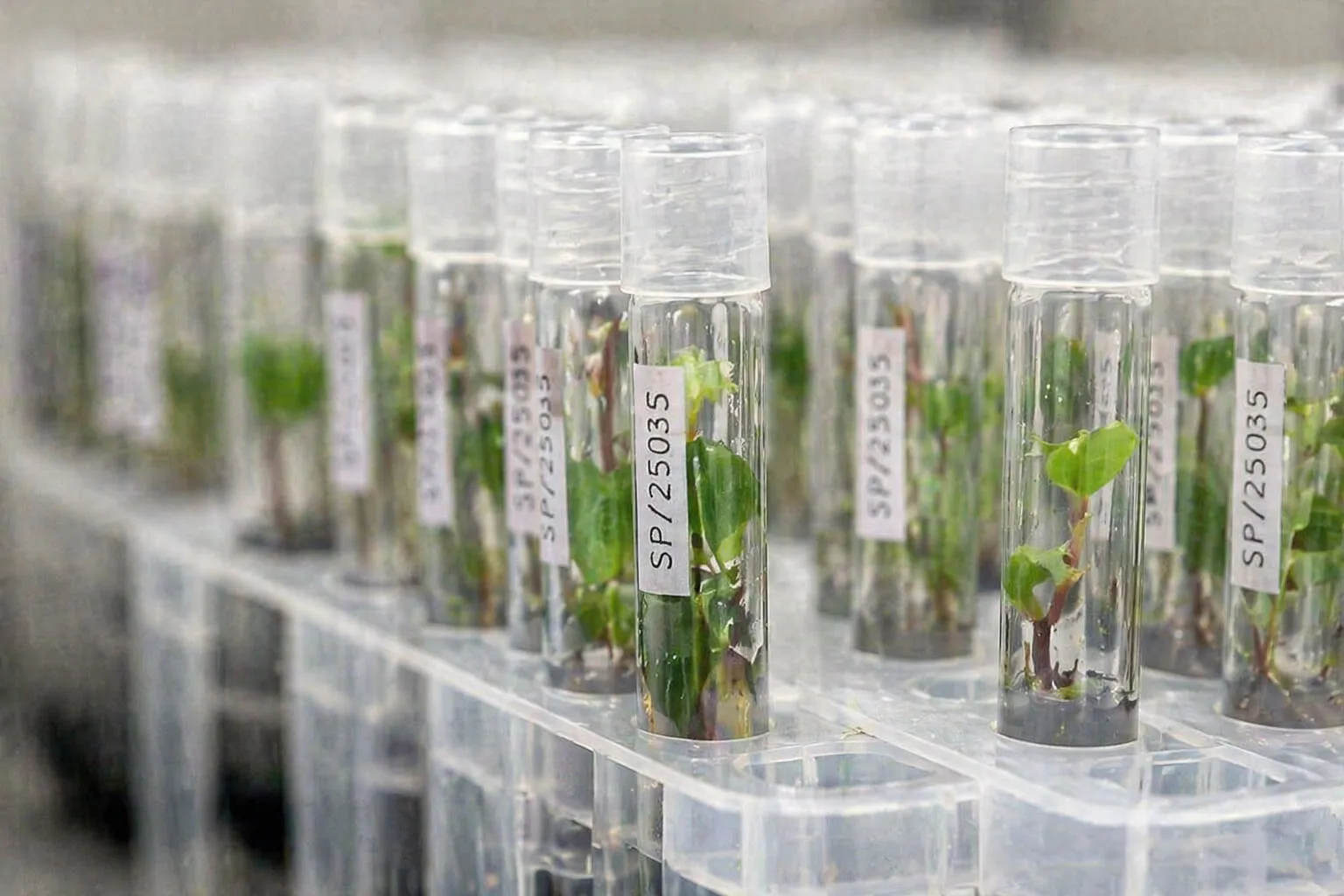
We test each variety under different conditions to select only those that offer the best performance, productivity, and quality.
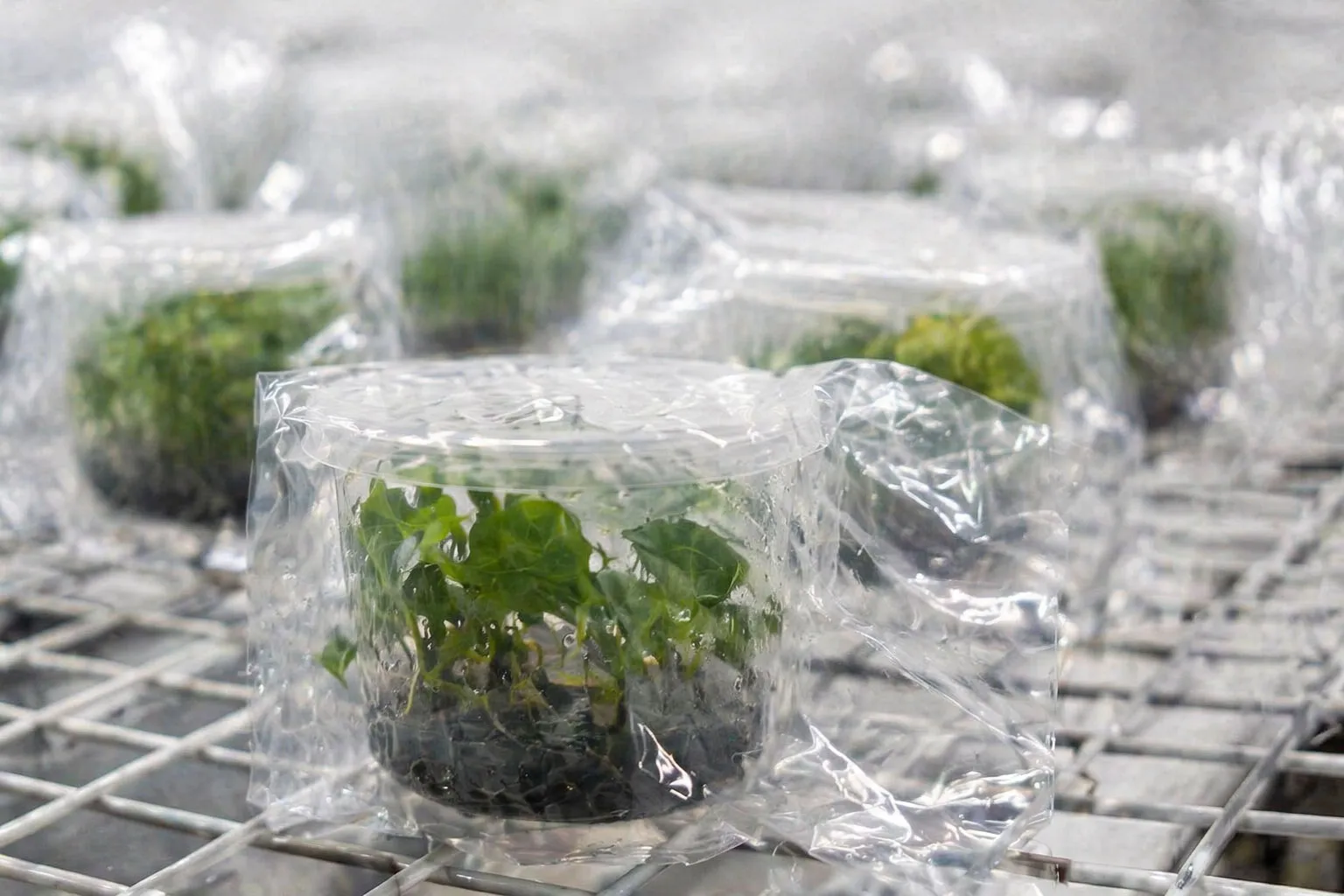
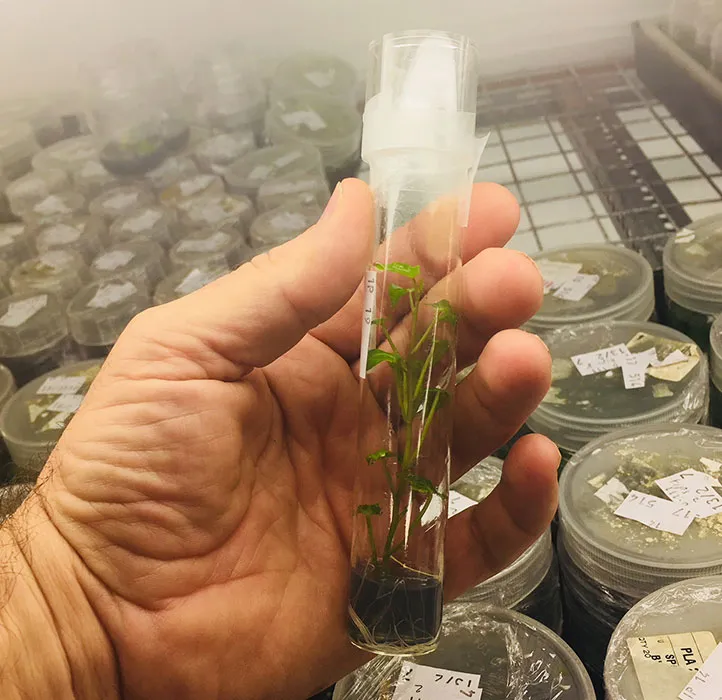
We carry out virus-cleaning processes and regular laboratory checks to ensure healthy, safe plants.
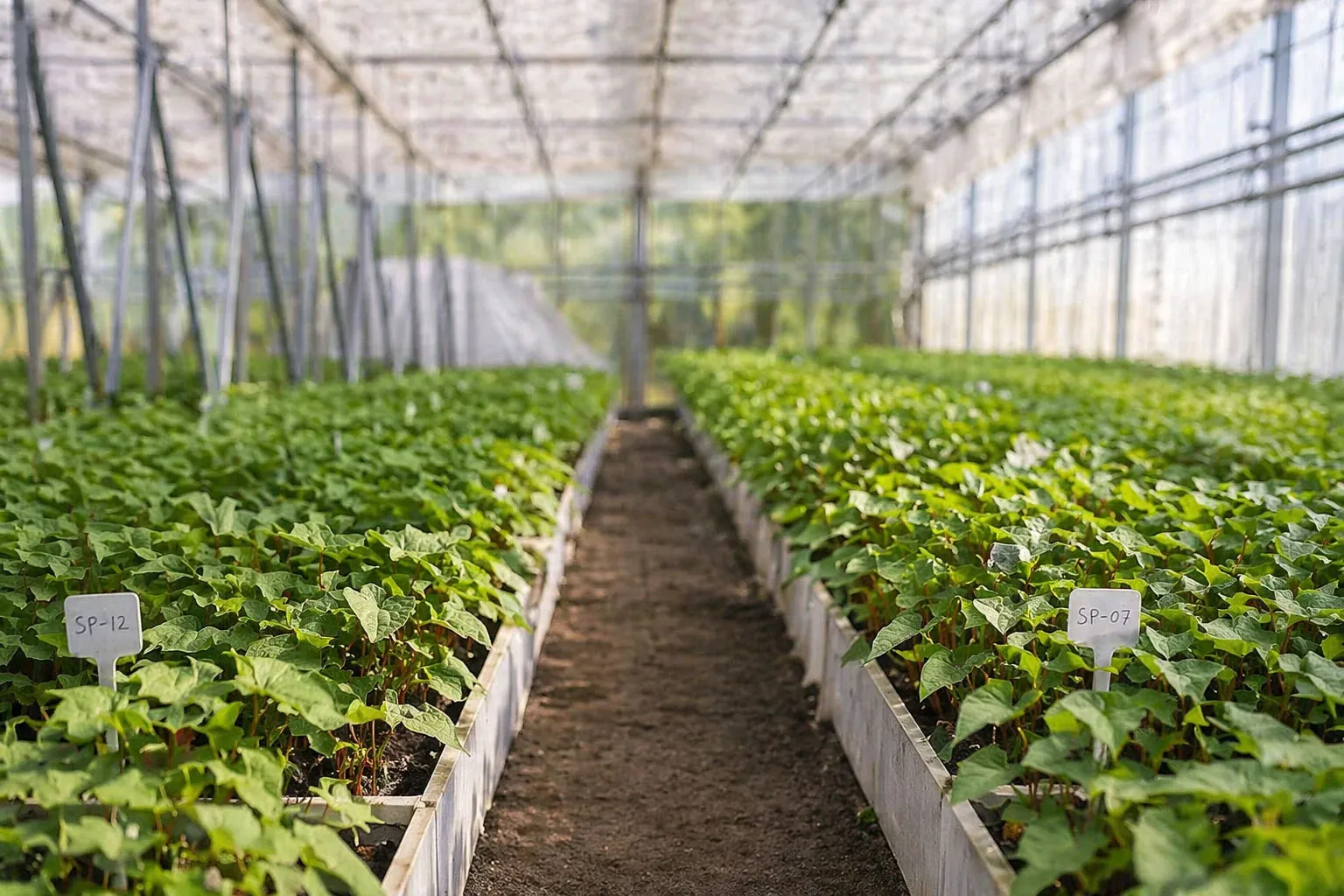
Mother plants remain in quarantine and under strict monitoring before starting the propagation process.

We multiply plants using controlled methods that ensure quality, uniformity, and traceability.
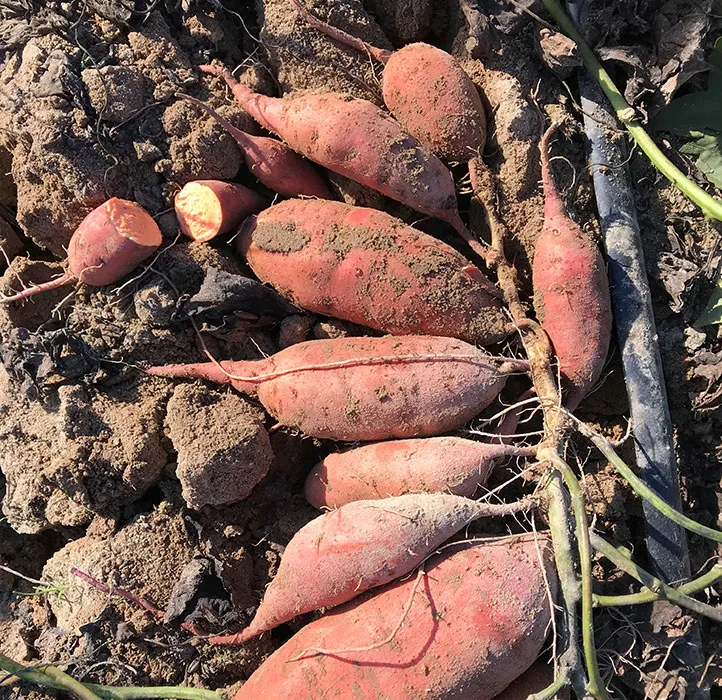
We produce high-quality seed roots, essential for consistent and reliable production.
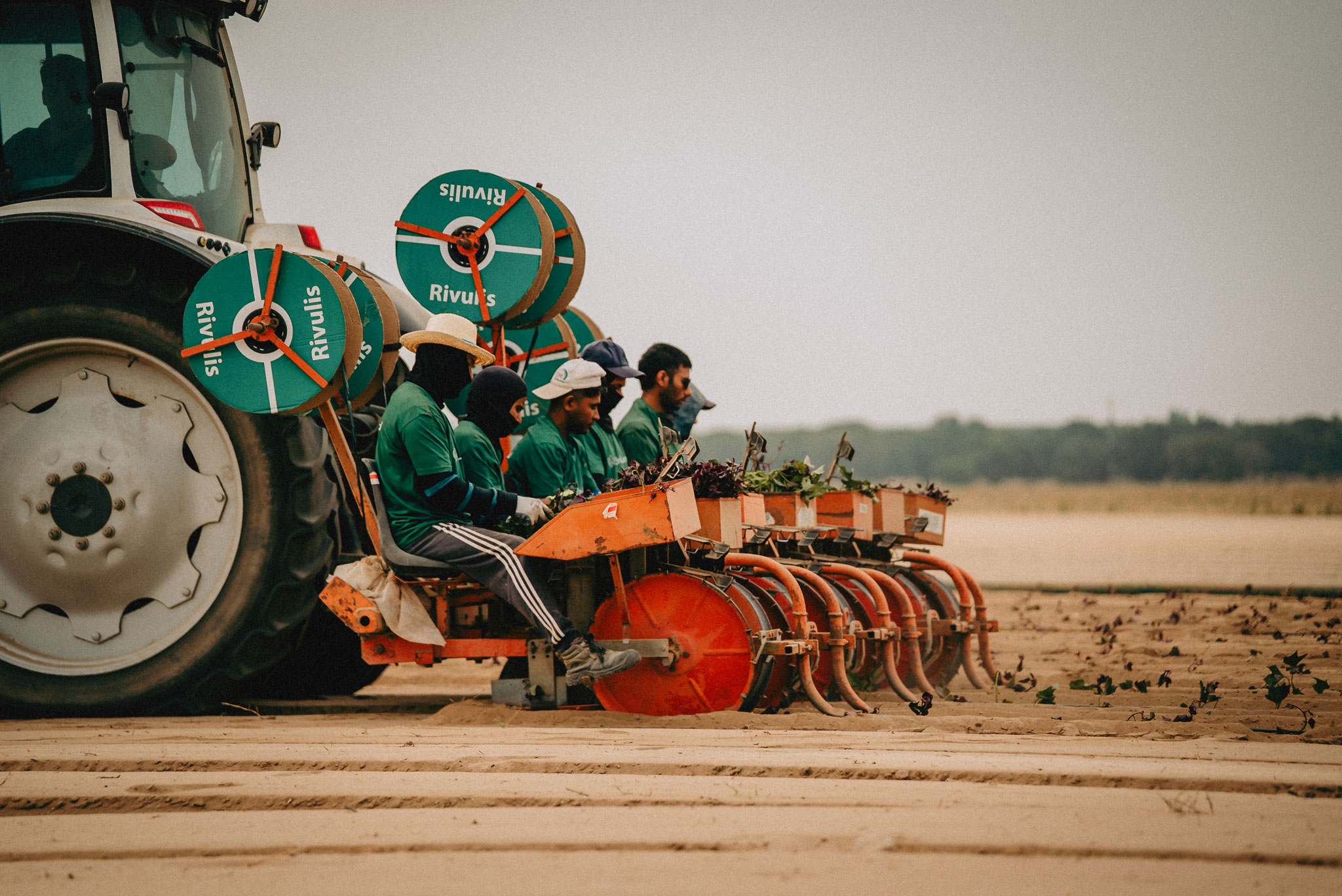
We supply clean, certified planting material, prepared to ensure the best performance in the field.
Conventional, non-treated and organic production
We offer sweet potato plants in three production types to meet the different needs of farmers and markets:

Produced following standard agronomic practices.

Produced without pesticides or herbicides, with no chemical residues. A middle ground between conventional and organic production, without organic certification.

100% organic, certified in accordance with current legislation.
Agronomic support for our farmers
Personalised advice
Support in selecting the varieties best suited to the characteristics and objectives of each farm.
Specialised technical follow-up
Support in implementing production processes and technical advice throughout the entire growing cycle.
Market connection
Where applicable, we promote contact with potential buyers, facilitating marketing opportunities.
Frequently Asked Questions about Sweet Potatoes
Still have questions?
Sweet potatoes are planted from plants (slips) about 20 to 30 cm long with 5 to 6 nodes. For a good start:
1. On arrival: unload immediately, remove the pallets and outer restraints, and spread the plants out so they can breathe. If planting has to be delayed, keep them cool and humid for no more than 24 hours, avoiding heat build-up, crushing and lack of airflow.
2. When to plant: only when the soil is at least 18 °C and the air at least 15 °C. Rooting is best between 21 and 25 °C.
3. How to plant: use fine, well-prepared soil and bury about two-thirds of the stem. Irrigate immediately after planting and maintain adequate moisture for the first 2 to 3 weeks.
NativaLand’s agronomic team supports the entire production cycle, from variety selection to harvest. Contact us (https://www.nativaland.com/en/contact/) to plan your planting.
NativaLand’s agronomic team supports the entire production cycle, from variety selection to harvest. Contact us to plan your planting.
Sweet potatoes are rich in vitamins A, C and B6, iron, magnesium, fibre and potassium. Their natural sugars are released gradually, providing balanced, lasting energy. Orange varieties are rich in carotenoids such as beta-carotene, and purple varieties stand out for their high antioxidant content.
For growers, sweet potatoes are also a diversification opportunity, with orange, purple and white varieties suited to different European markets. View our sweet potato varieties.
The planting season depends mainly on temperature: plant only when the soil is at least 18 °C and the air at least 15 °C. In Portugal and Spain, planting usually runs from late March to mid-June. In Belgium, the Netherlands, Germany and France, it usually runs from late April to early June.
The ideal window varies with region, variety and desired harvest date. Some varieties, such as Bayou Belle and Radiance, have a short cycle. Plants are supplied in defined delivery windows, so it is best to plan your order in advance. Talk to our team to define the best planting week for your farm.